


To understand how trend and change drivers shape innovation across technology, business, culture, and policy, the preventive health market was closely examined. The goal was to identify areas with strong potential for innovation and impactful progress. To build a solid foundation and gain clear insights into this segment, the following design methods were applied:
Innovation Landscape
Trends Matrix
______________________________________________________________________
Preventive Healthcare | The first mile of health
Preventive Healthcare is rapidly evolving, driven by government initiatives and rising interest from insurers. It not inly improves quality of life but also lowers long-term costs compared to traditional treatments. Prevention operates on three levels: primary, which focuses on proactive measures like vaccination, lifestyle counselling, and early risk intervention; secondary, which detects diseases early through screenings and tracing; and tertiary, which manages chronic conditions through tailored care such as rehabilitation and diabetes management. Together, these layers create a comprehensive framework that fosters proactive engagement with health at every stage.

Prevention
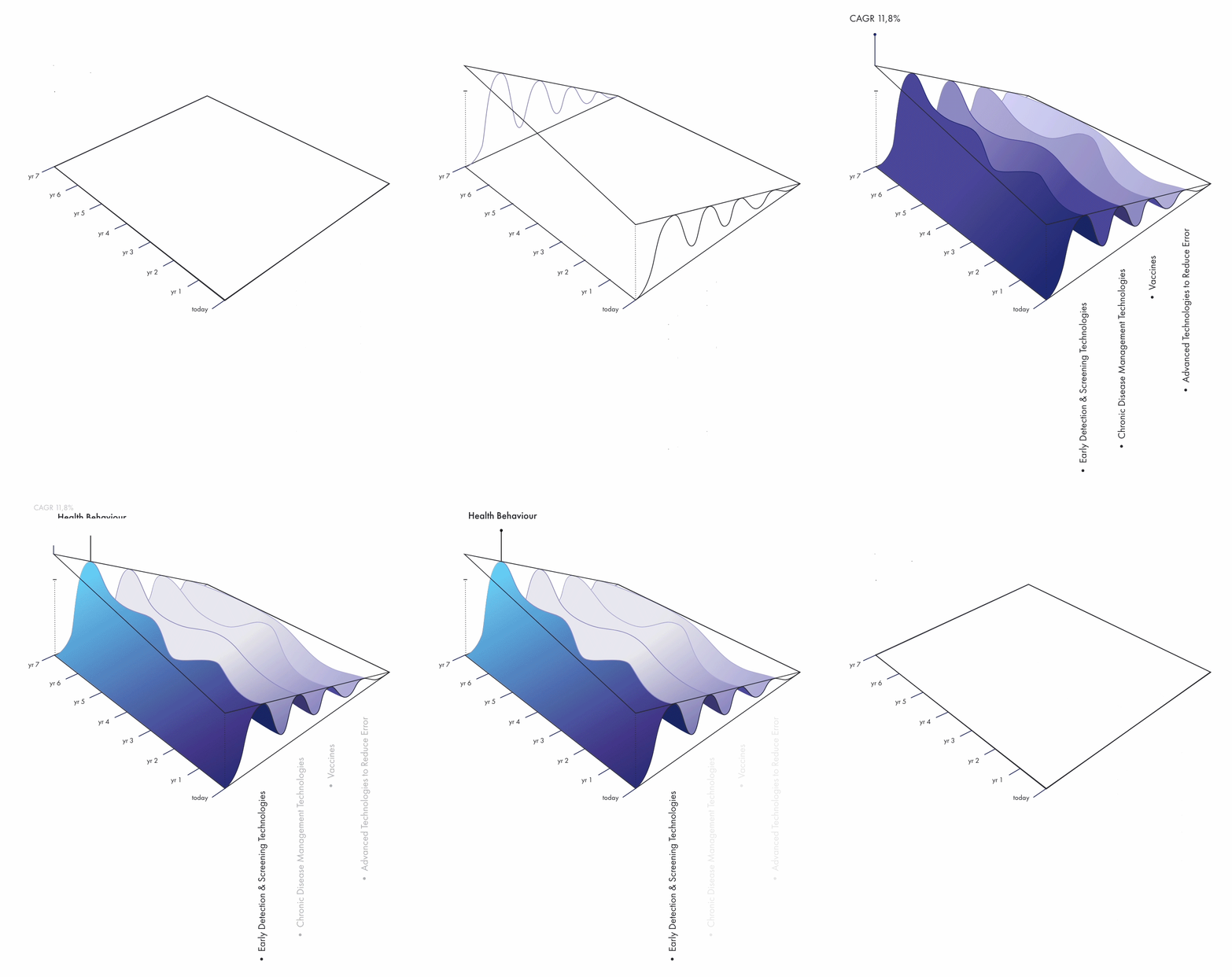
Future Direction | People in charge
Building on this, early detection and screening will empower individuals to take charge of their health, while smarter tools will help prevent chronic complications. Vaccines will remain vital, and error-reduction technologies will improve diagnostic safety. As preventive care for asymptomatic conditions expands, preventive health behaviour (PHB) will become a key growth driver, encouraging people to actively manage their well-being. Drawing an fields such as psychology, sociology, and public health, it encompasses actions, determinants and impacts at both personal and social levels. Innovation will make prevention more personalised, accessible, and seamlessly integrated into everyday healthcare.

Trend Cycle

Trend | A patient-led model
Wearables, telemedicine, and personalised medicine are redefining healthcare, shifting providers to a supportive role as patients take the lead. With AI, remote monitoring, or behavioural nudges individuals actively start to shape their health through real-time interventions. Building on this, PHB centres on screenings, nutrition, physical activity, and reflective habits. Guided by digital technologies and strengthened health literacy PHB reduces disease risk and improves quality of life, while broader access and affordability remain key to its widespread adaption.
Barriers
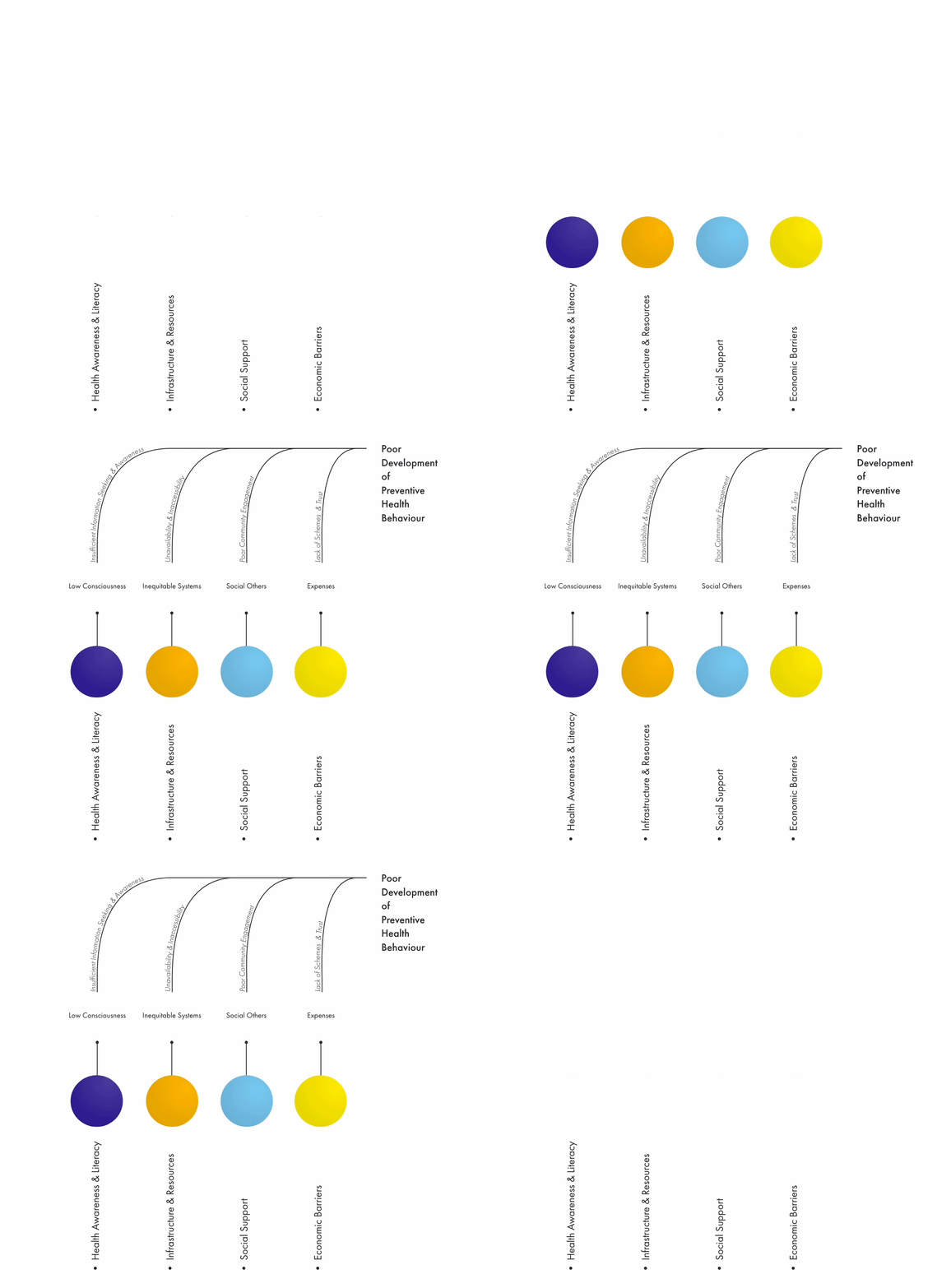
Preventive Health Behaviour| An approach with great potential
Preventive care is becoming a cornerstone of modern healthcare, with PHB at its core. Where patients once reacted to illness they are now encouraged to act and plan ahead. By making conscious, health-promoting choices, individuals can prevent serious conditions before they emerge. As lifestyle-related diseases rise, this proactive approach -rooted in engagement and self-management- offers a powerful way to reduce their impact and transform long-term health outcomes. However, a low level of self-awareness and information-seeking, gaps in health literacy and inequitable infrastructure, as well as weak therapy engagement and low trust hinder the development of PHB. Addressing these structural and behavioural barriers is essential to enable prevention at scale.
______________________________________________________________________

