


Modern lifestyles marked by stress and irregular habits have driven a sharp rise in lifestyle diseases, placing increasing strain on healthcare systems. Type 2 Diabetes alone is expected to grow by 22% by 2035 if current trends continue. These conditions stem from both fixed and modifiable factors -such as poor diet or inactivity- yet even small lifestyle adaptations can make a significant impact. To identify effective and resource-efficient approaches for preventing the disease, the following method was applied:
Convergence Map
______________________________________________________________________
Prediabetes | The precursor of Type 2 Diabetes
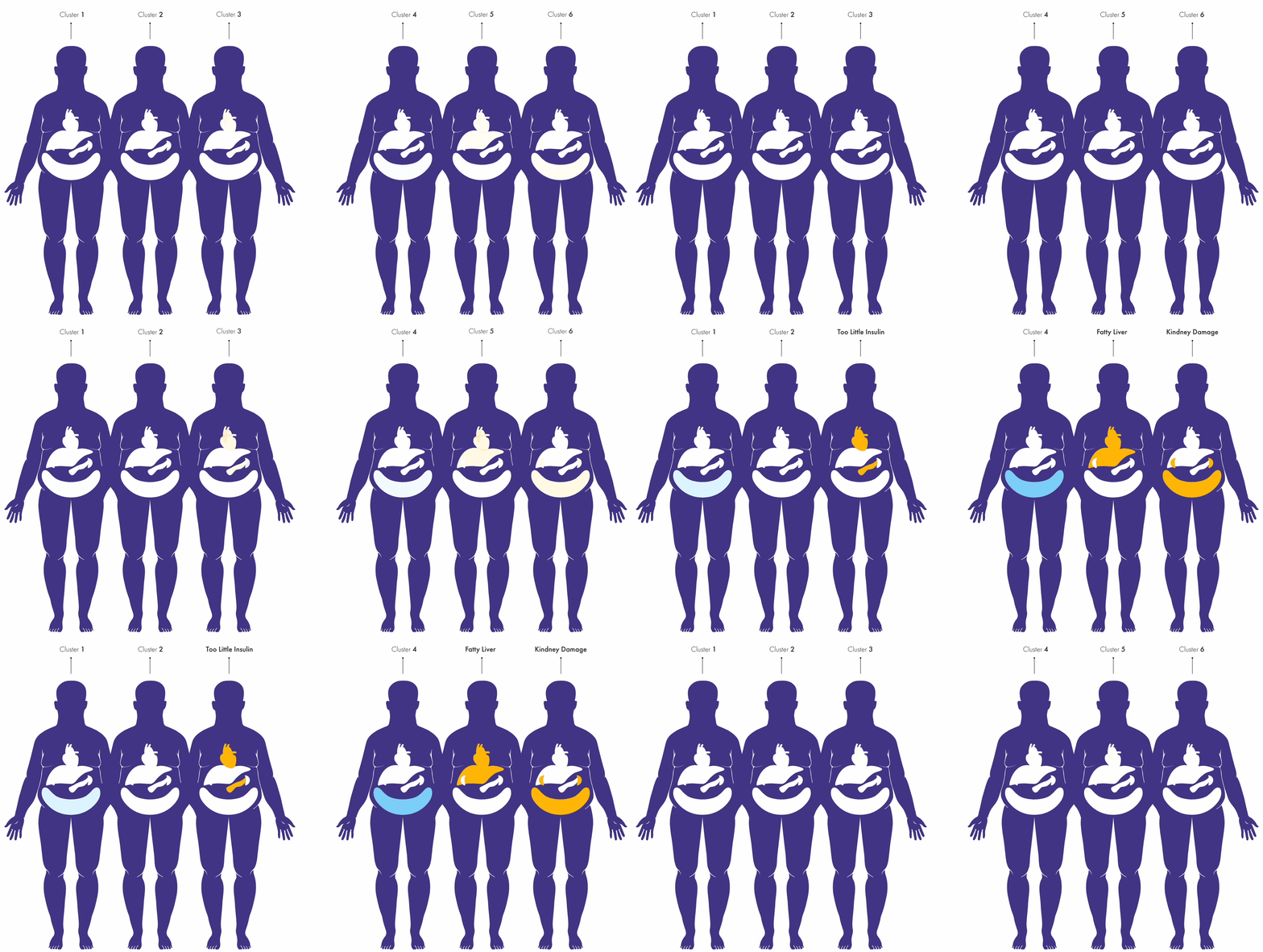
Prediabetes and Insulin Resistance have become the key focus of current research, as their early stages poses serious risks to the heart, circulation, kidneys, and beyond. Growing awareness, driven by the discovery of six distinct Prediabetes Cluster, highlights the urgency to early intervention. This refined classification enables more personalised therapies and targeted prevention strategies, tailored to each individuals strage of disease progression.
Classification
Disease Prevention | Modifiable factors
At-risk individuals can be identified early and guided adequately through targeted interventions to address counterproductive factors like stress, inactivity, poor diet, or excess body fat. This directly contributes to an improve insulin functions as well as a conscious association with individual behaviour. Since there risks stem largely from daily habits. prevention depends on reshaping those patterns: opting for high-fibre foods, balancing macro-nutrients, overcoming the snack culture, and spacing meals mindfully. While some risk cases may need initial medication, most benefit greatly from lifestyle changes that often reduce or eve remove the need for medication.

Clustering
Paradigm Shift | Individual Determinants
Unlike in the past, when patients were expected to follow medical advise without question, todays focus lies on understanding their experience, choices, and motivation. Patients perspectives now play a central role in healthcare design: What do they eat, when, and why? What drives their habits, and what goals do they seek? Exploring these contextual factors reveals rich, individual insights that strengthen collaboration between patients and healthcare providers, ultimately redefining the patients experience without increased complexity or timely burden.
______________________________________________________________________

