


Digital Health Applications (DHA) bridge diverse user groups, ideally acting as connectors, enablers, and translators. Sense aims to move beyond meal tracking by capturing the emotional side of nutrition and strengthening both the experience and the relationship between patients and healthcare practitioners. By exploring contextual, behavioural, and emotional aspects of Type 2 Diabetes patients, the desired framework fosters PHB and delivers actionable insights without adding strain to time or resources. Understanding the Type 2 Diabetes community shaped Sense' design around their needs, barriers, and motivators ultimately forming clear user-centred guidelines. To achieve this, various methods were applied:
User Group Definition
______________________________________________________________________
Doctor-Patient Relationship | A two-way dialogue
The before mentioned paradigm-shift impacts the aspect of symmetry in the relationship between patients and their healthcare practitioners. Health-related decisions are now increasingly guided by patients needs, perspectives, and values. Concepts that meet these requirements are encompassed under the term Patient-Centred Care or Patient Orientation.


Patient-Centred Care | Putting experience at the center
The term Patient-Centered Care has no single definition, but its essence lies in seeing each patient as an individual and considering their life circumstances and not just their illness. As defined by the National Academy of Medicine, it means delivering respectful care that honours personal preferences, needs, and values, ensuring clinical align with what matters to the patient.

Narrative
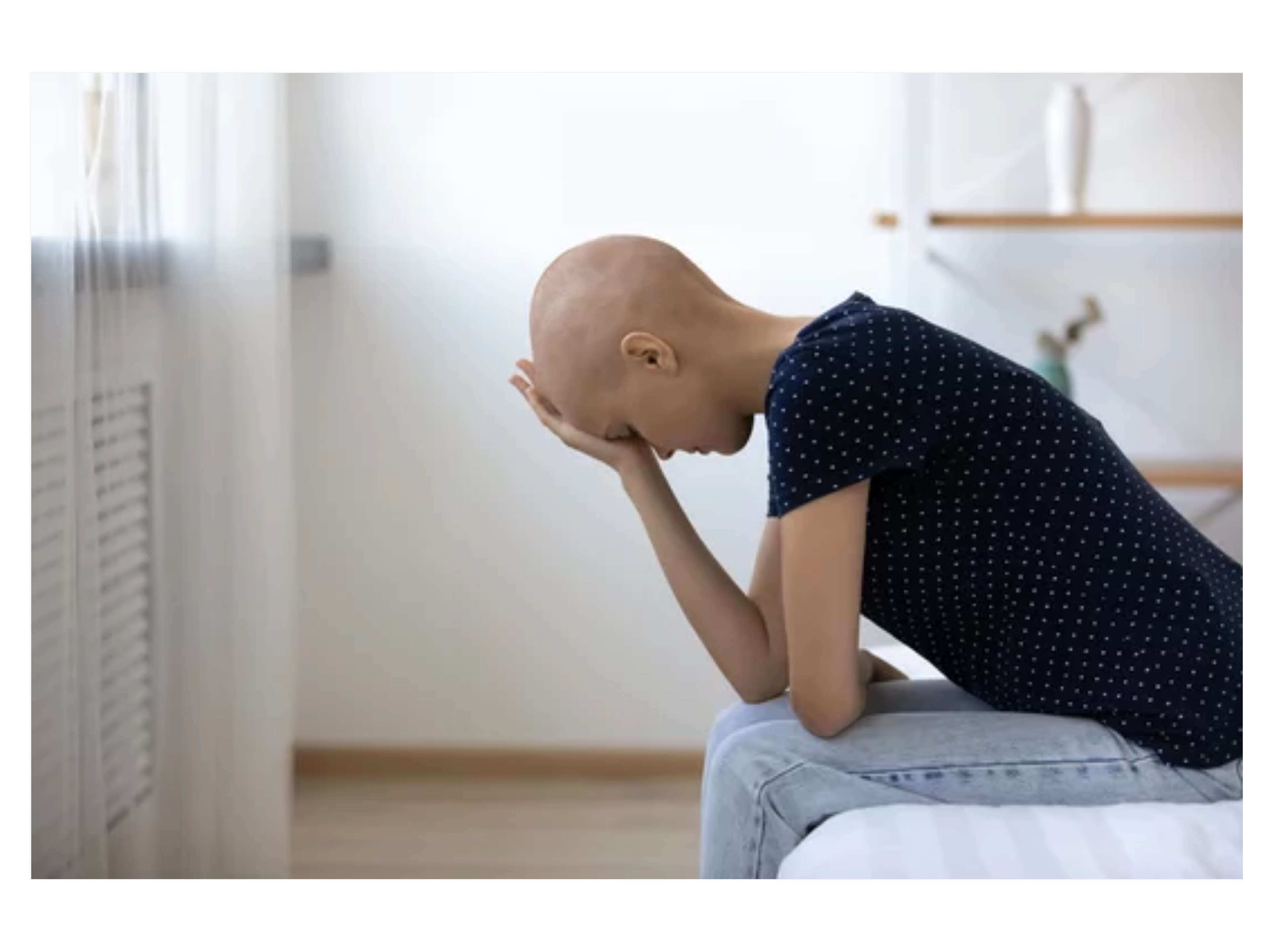
Imagine the following situation: The doctor explained the condition, its risk, and how it could be reversed or at least its progression slowed down significantly. Instead of medication, she prescribed a digital health application to track eating habits, along with a flash glucose sensor. The patient, feeling guilty, admitted she often forgot to log meals struggled with step goals, and found waist measurements uncomfortable. Stress, linked to her alopecia, made it harder to stay consistent, and the growing gaps in documentation left her demotivated.
At the follow-up, the doctor addressed the missing data. The patient confessed she was still adjusting, and the doctor, though sympathetic, stressed the importance of logging meals and suggesting an additional daily reminder. The patient agreed but left feeling irritated, later posting a negative review and vowing not to return.

The User Group | A spectrum of perspectives
As a bridge between medical professionals and patient support, digital health applications often cater to both parties. Thus, two distant realms of needs and experience face each other, requiring both independent engagement and fruitful integration. Each user group brings its own set of demands and expectation to a digital health application.

A patient
Despite having an appointment, the patient waited 45 minutes. Headaches - probably from her new medication- had bothered her all day, and an awkward work meeting left her unsettled. During the consultation, she felt insecure about how to cope with the additional diagnosis, annoyed by the apps flood of information, and embarrassed by her patchy meal logging. Moreover, taking photos of her food felt like a real burden.
The doctor's empathy encouraged her to open up, and not wanting to disappoint, she promised to do better. But the app still felt intrusive, disrupting her routine. She often forgot to phtotgraph meals and longed to simply enjoy eating. Balancing dietary changes via app use felt detatched, and the thought of the next appointment and ongoing failure intensified her anxiety. Doubting her ability to keep up, she began considering switching to a different doctor who wouldn't require an app.
A doctor
The doctor uses a Flash Glucose Monitoring sensor (FGM), about the size of a two-euro coin, attached to her upper arm. It continuously tracks levels, viewable via a reader app. Though she doesn't have insulin resistance, she is fascinated by the idea of monitoring, revealing both general trends and meal-specific patterns.
Aware that Type 2 Diabetes is a global pandemic, she is motivated to offer early interventions that can help reduce or prevent the condition. Despite a stressful start to her day with a last-minute home visit, she remains committed to emphatic, personal care. The session ends positively – the patient, initially rushed, became calm an motivated, thus she feels reassured, knowing behaviour change takes time.

The Experience | Polarising demands and needs
The above example shows that patients and healthcare professionals each bring their own emotions, experiences, and needs into a consultation, creating different expectations, communication gaps, and unique ways of processing the situation. A well-designed digital health application can act as a mediator, bridging these perspectives, adapting to specific needs both aesthetically yet functionally, and fostering productive collaboration between both worlds.

Qualitative Feedback
1 a patient
» The primary benefit of the app is that it reminds me of my condition, which I tend to ignore otherwise. «
3 a patient
» The app demands a lot of active participation. [...] Overall, using the app is very time-consuming, and it's time I either don't have or would like to spend differently. «
2 a doctor
» Integrating data into patients records is cumbersome. While exporting progress as a PDF is convenient, it ultimately becomes just another document with a different format, requiring extra time and effort to incorporate seamlessly into existing records. «
4 a patient
» I'd appreciate it if the app didn't just highlight what I haven't accomplished. While raising awareness of my illness is a significant benefit, I believe the app should be more supportive, accessible, subtle and thus easier to integrate into daily life. «
Connectivity| Different perspectives and common goals
Doctors and patients often view healthcare through different lense: one focused in expertise and efficiency, the other on guidance, accessibility, and personal relevance. Yet their shared goals remains effective care and positive outcomes. Bridging this gap requires solutions that balance both perspectives, fostering a mutual underdtanding and seamless integration into daily practice and life.
______________________________________________________________________

