

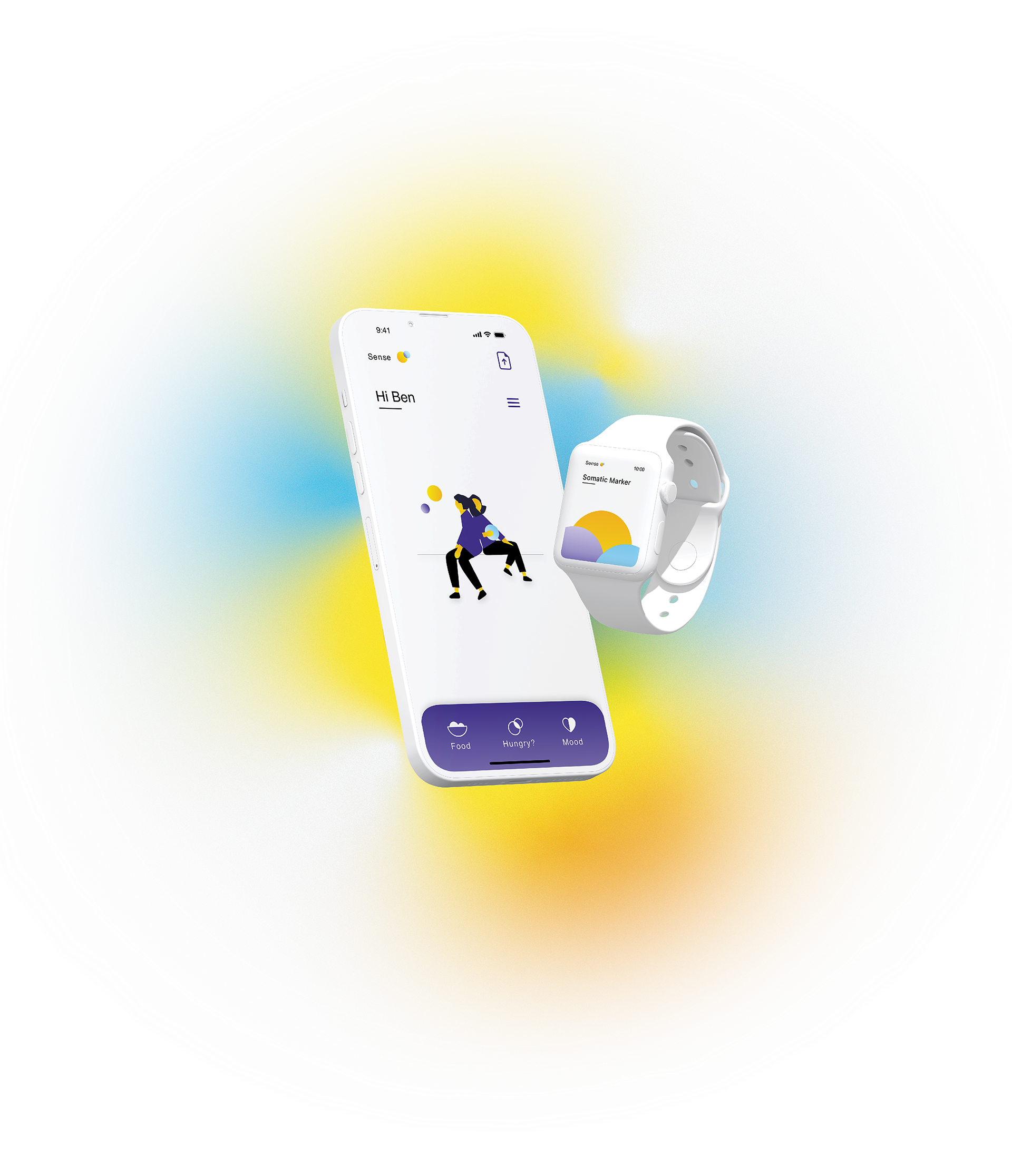

My diploma thesis explores the changing landscape of Digital Health in the First Mile of Care, focusing on
Type 2 Diabetes as a lifestyle-driven condition shaped by biological, emotional, and social dynamics.
Built on a rigorous methodological foundation, the work draws on experience design principles to study health as something people live, not simply decide.
Type 2 Diabetes as a lifestyle-driven condition shaped by biological, emotional, and social dynamics.
Built on a rigorous methodological foundation, the work draws on experience design principles to study health as something people live, not simply decide.
A central insight emerged around our altered sense of hunger: in contemporary Western societies, eating is often guided less by physiological need and more by habit, emotion, and environment. Because food is both nourishment and a social ritual, meaningful behaviour change must consider routines and feelings as much as reason.
From this understanding, Sense was developed: a multimodal ecosystem that places embodied experience at the heart of early care. By recognising somatic markers -the subtle bodily cues that influence appetite, choices, and emotions- Sense transforms scattered sensations into clarity. It links health literacy with everyday life, creating moments of agency and enabling more grounded dialogue between patients and clinicians. Ultimately, the project reframes preventive diabetes care as a continuous, experience-driven conversation between body, context, understanding, and numerous stakeholder.
Realm
Salutogenic Design
Framework
Digital Health Application
Focus
Experience Design, Research, UI Design
Target Group
Patients, Healthcare Professionals, Data Scientists
______________________________________________________________________
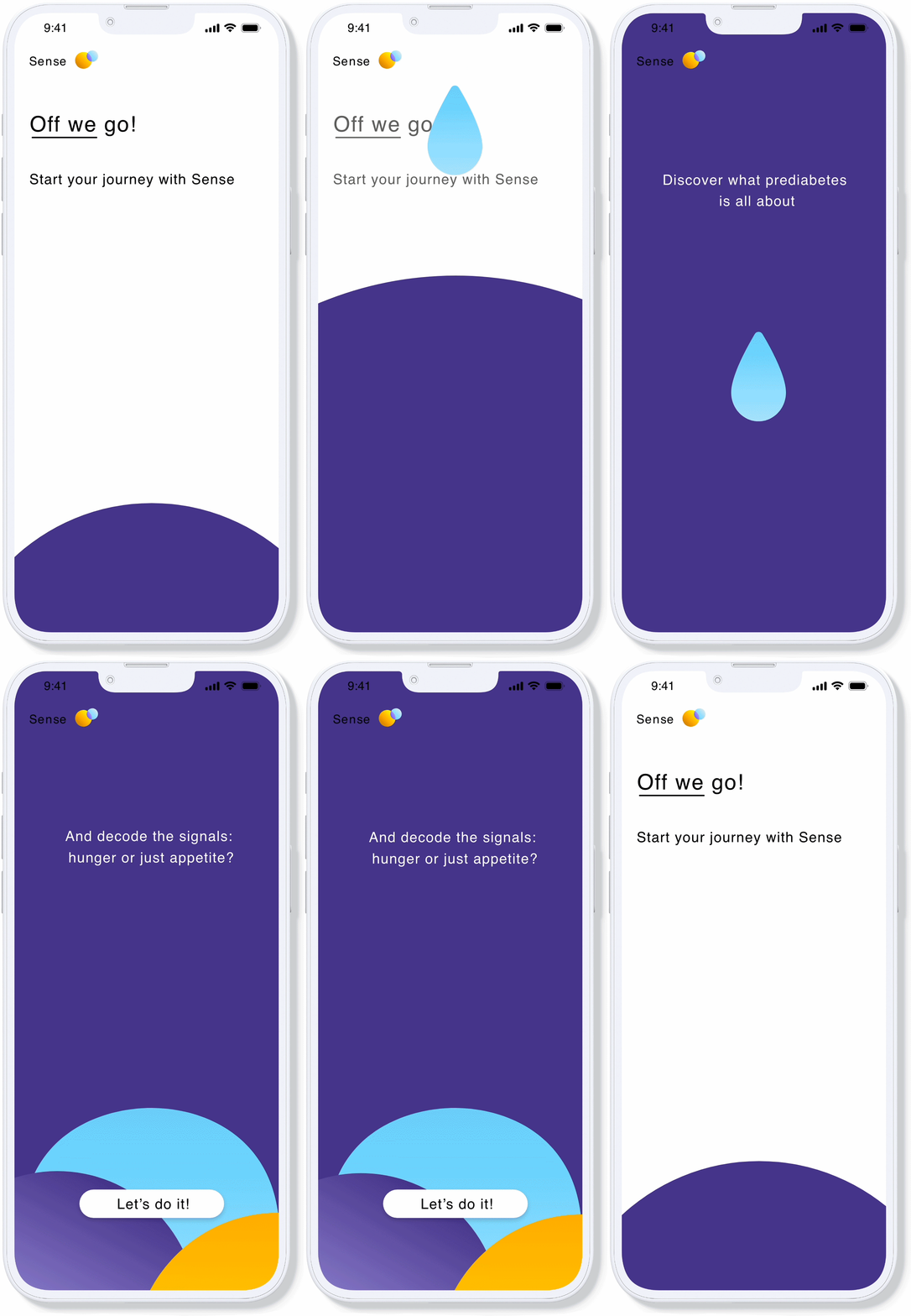

Status Quo | The issue with (over)hyped technology
AI-powered health technologies have become powerful allies in modern medicine, extending practitioners cognitive reach rather than replacing them. Yet patient-centred care is shifting in troubling ways, as health data is increasingly shaped by targeted advertising, blind spots, and limited oversight; consequently undermining the foundation of personalised care. While AI delivers statistical precision, it lacks semantic intelligence to grasp personal context, clustering individuals into patterns and amplifying bias in interpretation.
Detached from human explanation, digital tools can even lengthen the chain of care, while patients remain struggling to articulate experiences that should lie at its core. Data quality further compounds the issue: individuals and their digital shadows rarely align, flattening personal and social determinants into generic clusters that heighten misclassification, over- or underdiagnosis, and even misplaced blame. Meanwhile, the deeper Why behind health outcomes remains pretty much unanswered.

Purpose | Not just another headless tool
In a landscape where digital health often abstracts the human experience, Sense reanchors care in what truly matters: the lived experience of the individual. Its strength lies in visually translating what words often fail to capture -bodily sensations, hard-to-articulate emotions, and complex social factors- into tangible tools for reflection and conversation. These shared visual anchors create a common language between patients and healthcare providers, turning fleeting, both external and internal experiences into meaningful foundations for care.
By revealing rather than interpreting, Sense brings to light what is often lost to clinical time constraints, enhances therapeutic resources, and strengthens patient agency. This approach is particularly powerful in areas such as Type 2 Diabetes, where health behaviours shape outcomes. By prioritising quality over quantity in data and feeding anonymised insights back into the public good and scientific research, Sense positions technology not as a biased filter but as a source – for uncovering social determinants, unravelling intersections, identifying individual nominants, and ultimately pinpointing meaningful angles of intervention for true patient-centered care.
Leading Question | How does appetite affect health?
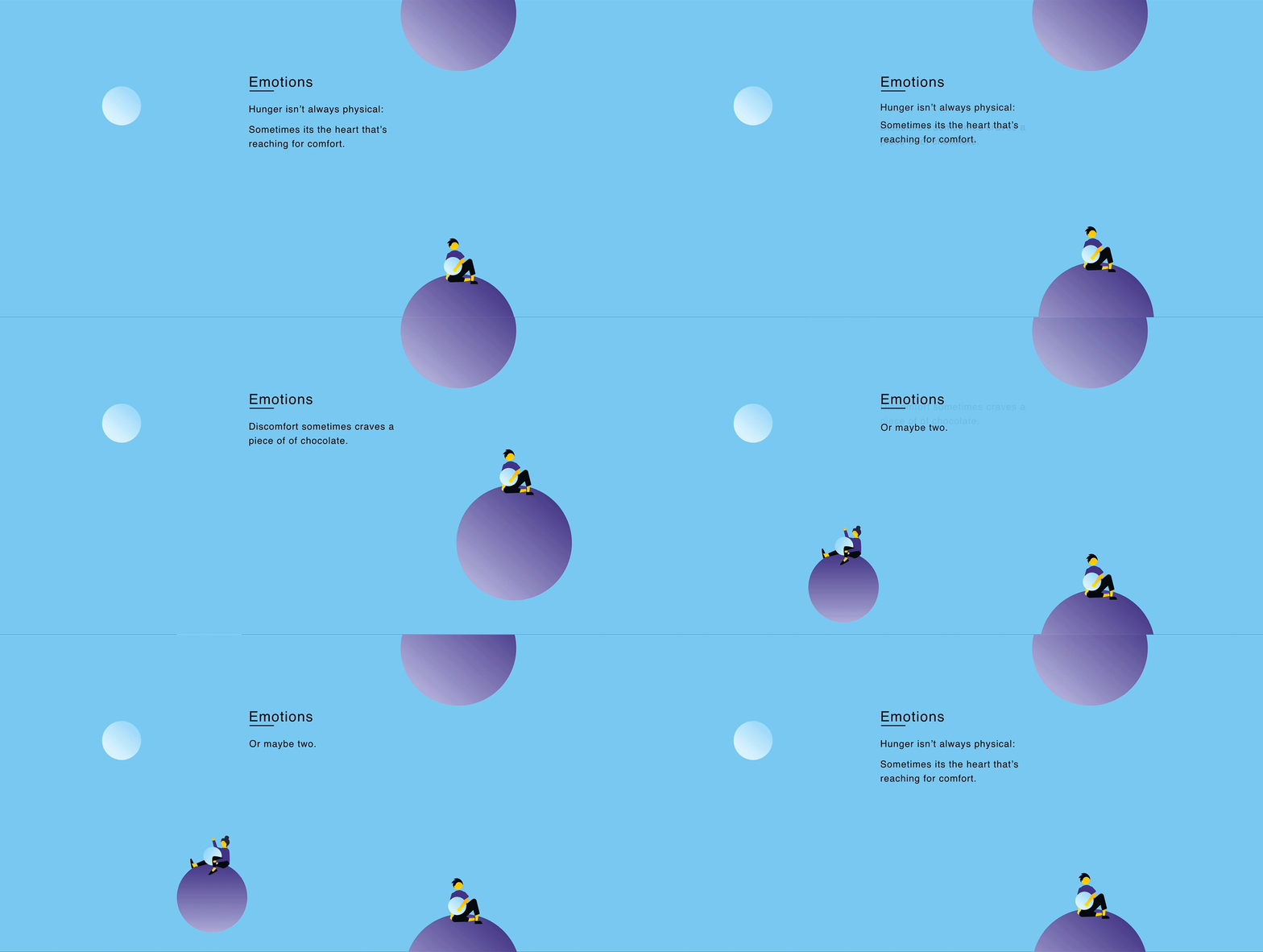
Although many people know what makes sense nutritionally, that awareness is often overridden by appetite, shaped by emotions, external cues, and habits. Pleasure and composition takes precedence, driven by the pursuit of satisfaction.
This leads to eating before the body signals an energy deficit, often resulting in overeating, weight gain, and disruptions in homeostatic regulation, which governs hunger, satisfaction, and satiety. Such disruptions are common in metabolic disorders, including those within the metabolic syndrome. In particular, people with this kind of imbalance show impaired glucose regulation, where loss of control over food intake is thought to play a key role in obesity, insulin resistance, and ultimately the development of diseases like Typ 2 Diabetes and its precursor Prediabetes.
Challenge | But tell me, why is it so hard to change dietary habits?
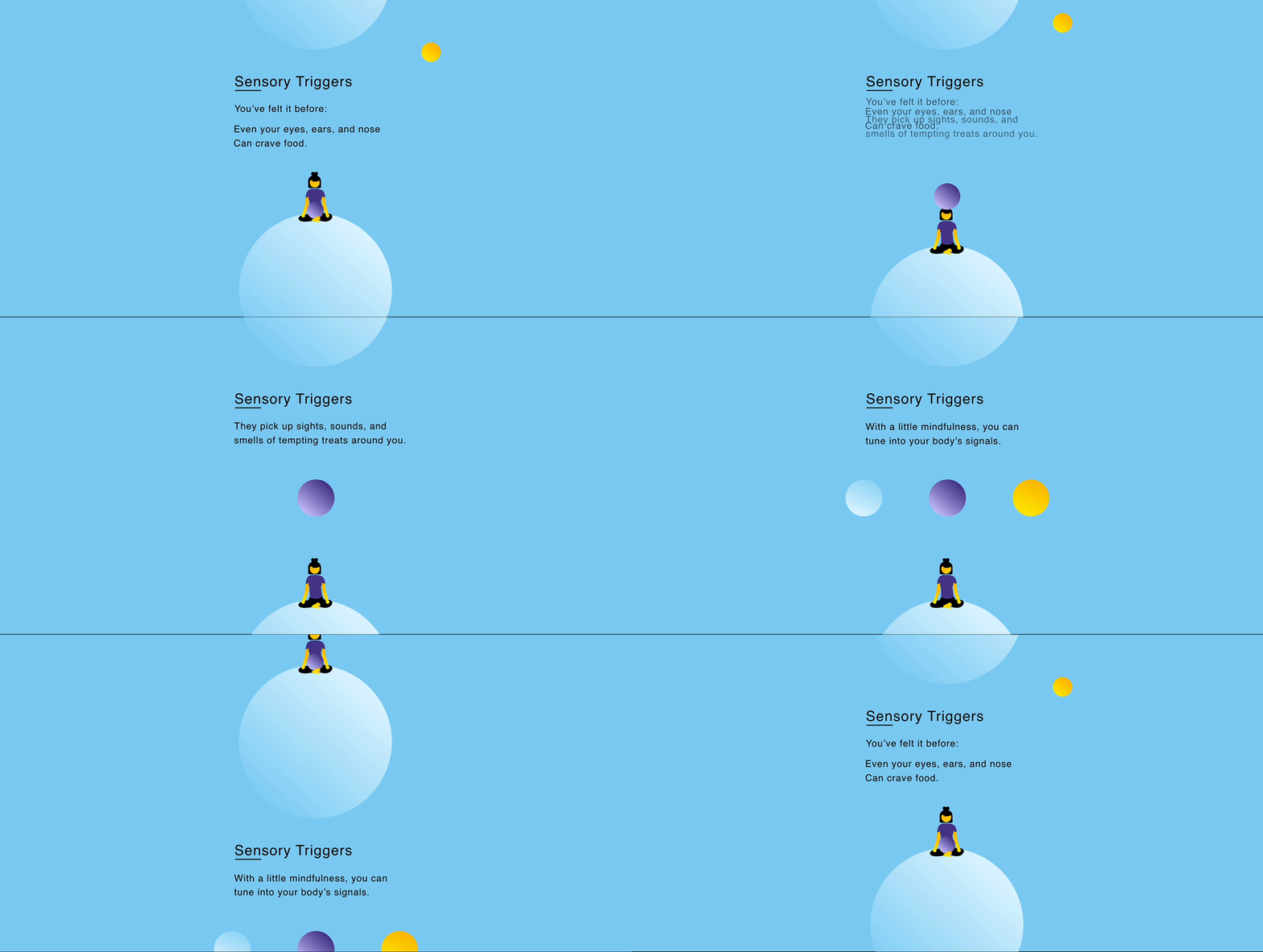
In today's fast-paced world, decisions are made within seconds. The same goes for assessing emerging situations. Central to this process are somatic markers: subtle bodily signals deliver immediate assessments across physical, social, and emotional dimensions, serving as internal anchors that connect felt experience with physiological reaction.
After a long hike, for instance, huger may appear as a growling stomach. Yet bodily states rarely occur in isolation: alongside hunger, one might also feel cold hands or a lack of concentration, depending on individual connections. While some can discern these layered signals, most struggle to perceive even their own heartbeat. This distance from our physicality, combined with overlapping markers, easily leads to misinterpretations. Stress, for example, may cause and uneasy stomach or sweaty hands, which can be mistaken for signs of hunger. As a result and in the rush of decision making, many opt for a quick snack, ultimately confusing appetite with genuine hunger.

Benefit | What's in for me?
Restoring proper homeostatic regulation offers significant potential to prevent or delay Type 2 Diabetes. In practice, maintaining a healthy balance between hunger and satiety directly addresses key risk factors. Linking internal sensations with external health actions creates a solid foundation for effective interventions, encouraging consistent reflection on appetite behaviour.
When recognised, somatic marker help distinguish appetite from genuine hunger, empowering individuals to influence their own risk behaviour. For someone with Prediabetes, noticing health improvements through self-regulation -and thereby avoiding the onset of Type 2 Diabetes- reinforces outcome expectancy and strengthens self-efficacy. Adopting such mindful strategies transforms problematic pattern, as old habits become linked to new, healthier behaviours, opening the path to sustainable change.
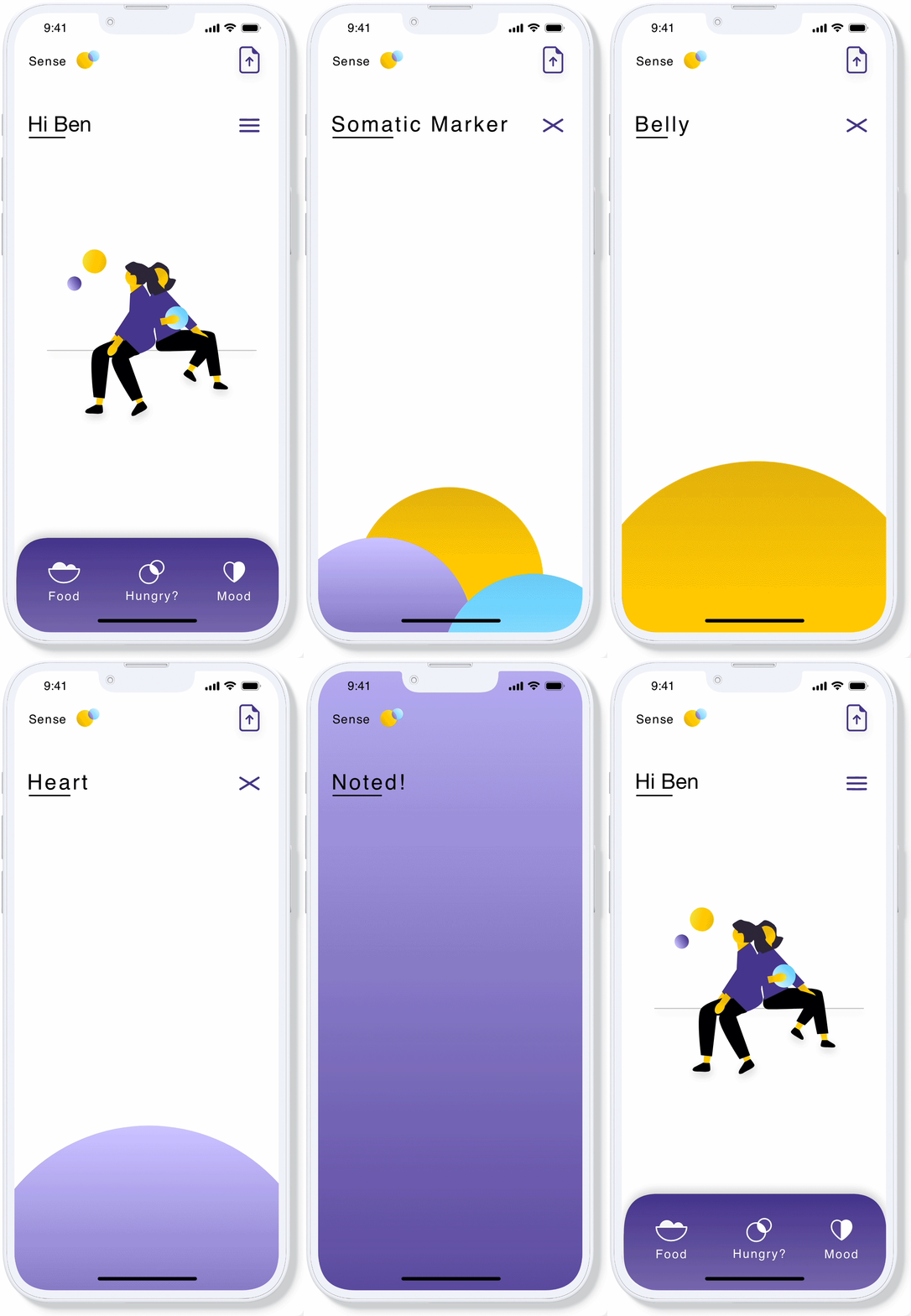

Aim | Helping people understand their drivers for appetite
Ultimately, Sense is not about building smarter machines but about creating better conversations – between humans and their lived experience, between patients and clinicians, and between individual data and collective health insights. It demonstrates that data mobilization and digital tools, when aligned with patient-centred principles, can strengthen rather than dilute the human dimension of care. In doing so, it opens the door to a more reflective, equitable, and responsive future of healthcare.
To achieve this, I moved through phases of listening, understanding, and eventually designing an experience that redefines how precursors of Type 2 Diabetes can be addressed. The resulting design departs from traditional approaches, highlighting the value of a user-centric, multimodal strategy that integrates the lived experience and their social determinants into therapeutic interventions.
______________________________________________________________________

